


Factor Affecting Workability of Concrete
Introduction The workability of concrete refers to its ability to be easily mixed, placed, compacted and finished without segregation or bleeding. It is a critical... Read more.

What is The Water-Cement Ratio?: Calculation and Value of Water Cement Ratio.
What is the Water Cement Ratio? The water-cement ratio is the ratio of the weight of water to the weight of cement used in a concrete mix. It is an important factor... Read more.

Types of Bridges Based on Superstructure.
Introduction Bridges are structures that are built to span physical obstacles, such as bodies of water, valleys, or highways, in order to provide a pathway for people,... Read more.

Portland Pozzolana Cement: Properties, Advantages, Uses
There exist many types of cement that are specifically suitable for particular types of work or have distinct concrete applications. For instance, the cement used... Read more.

Types of Water Demand
What is Water Demand? Water demand refers to the amount of water that a particular user or group of users requires for various purposes such as drinking, washing,... Read more.

Per Capita Demand of Water | Factor Affecting Per Capita Demand
Per capita demand of water is the annual average amount of daily water required by one person and includes domestic use, industrial and commercial use, public use,... Read more.
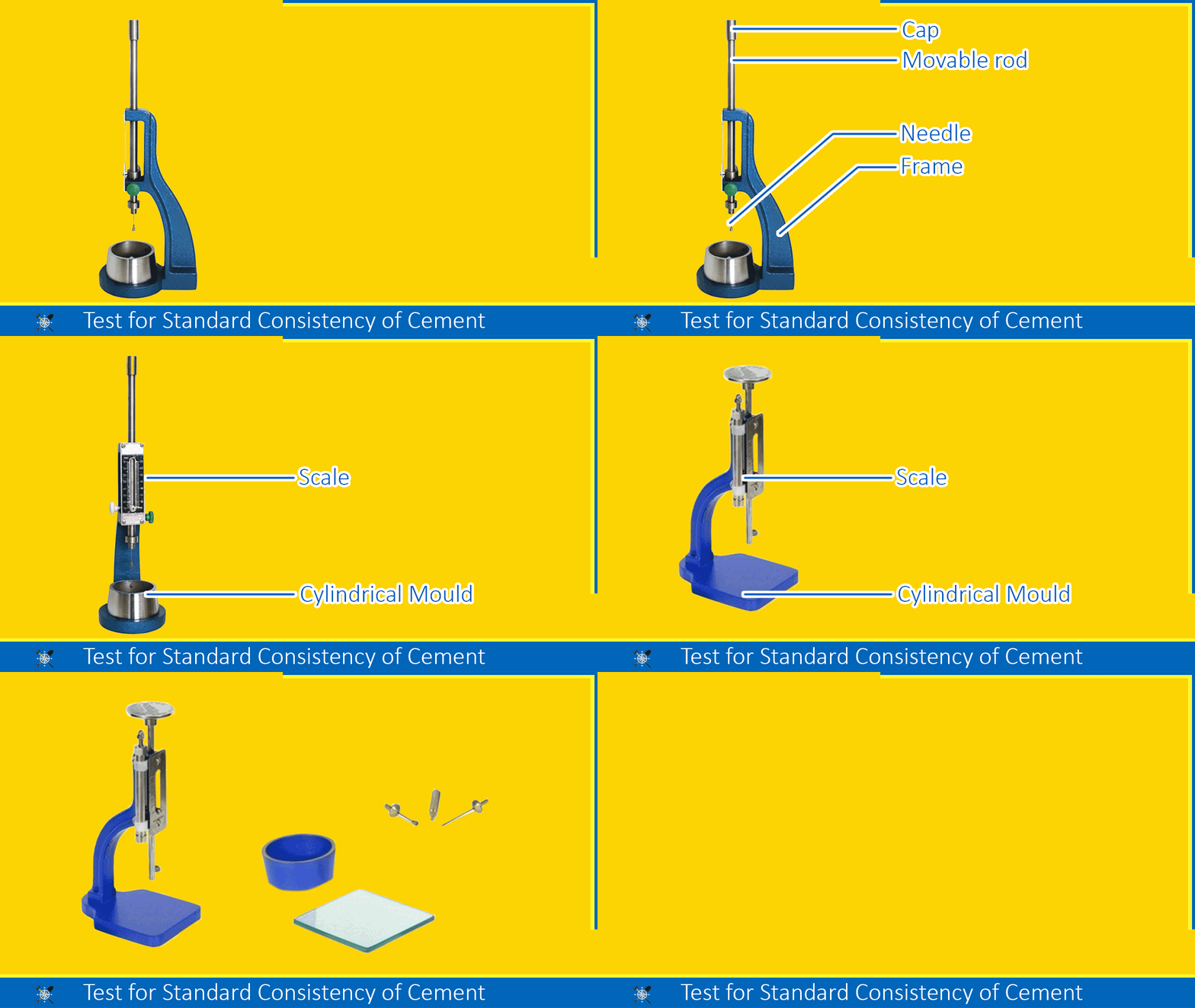
Test for Standard Consistency of Cement
The Standard Consistency of cement is a crucial property that defines its workability and handling characteristics. It refers to the percentage of water by weight,... Read more.

What is Efflorescence? Types, Causes, Prevention & Removal Guide
Concrete and masonry structures are naturally subjected to moisture during and after the construction phase. This moisture will lead to the deposition of white or... Read more.

Concrete Laitance: Causes, Identification, Removal & Prevention Guide
Concrete laitance is a weak, thin, dusty, and often milky-looking layer that forms on the surface of freshly placed concrete. It usually develops due to excess water,... Read more.


